
Gluten free bread can be tricky—many recipes turn out dry, crumbly, or dense. But this gluten free sandwich bread changes everything. It’s soft, fluffy, and holds together beautifully for sandwiches, toast, or just slathered with butter. The secret is a combination of gluten free all-purpose flour, almond flour, and tapioca starch, plus a few simple tricks that ensure a perfect rise and tender crumb. Whether you’re new to gluten free baking or a seasoned pro, this recipe will become your go-to.
Why You’ll Love This Gluten Free Sandwich Bread
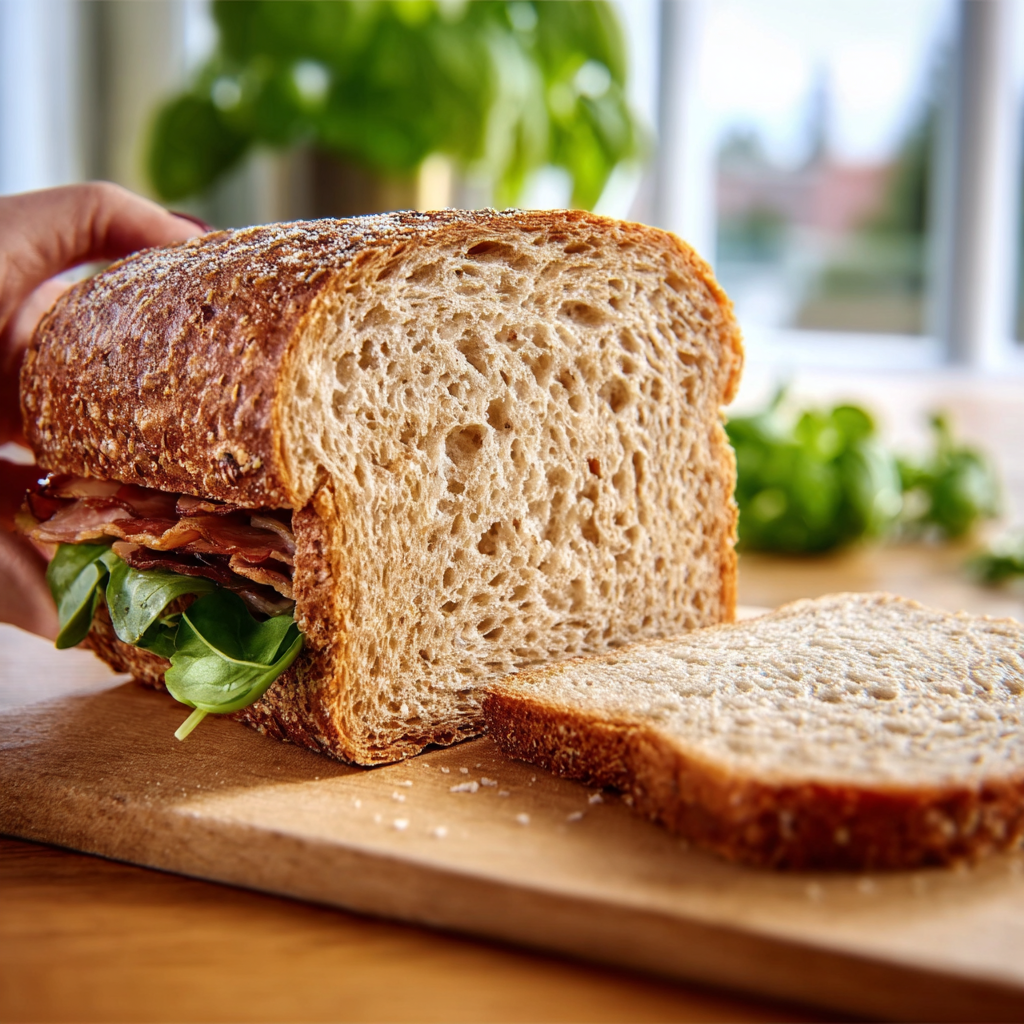
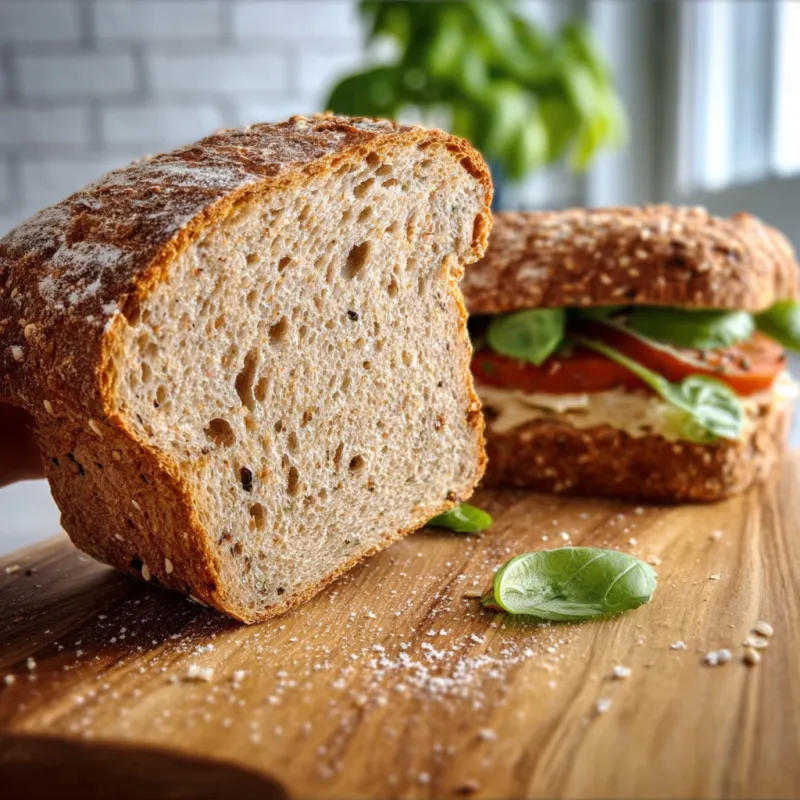
This bread is everything you want in a gluten free loaf: it’s not gummy, not dry, and not dense. The texture is light and airy, with a golden crust that’s slightly crisp. It slices cleanly without falling apart, making it perfect for lunch sandwiches or morning toast. Plus, it’s made with simple, accessible ingredients—no obscure flours or hard-to-find additives. This recipe is also dairy-free friendly and can be made vegan with a few swaps.
Ingredients and Substitutions
Gluten Free All-Purpose Flour Blend: Use a blend that contains xanthan gum (like King Arthur Measure for Measure or Bob’s Red Mill 1-to-1). If your blend doesn’t have xanthan gum, add 1 teaspoon to the dry ingredients. Xanthan gum is essential for structure and elasticity in gluten free baking.
Almond Flour: Adds moisture, tenderness, and a subtle nutty flavor. You can substitute with more gluten free all-purpose flour, but the texture will be slightly less tender.
Tapioca Starch: Helps create a light, airy crumb. Cornstarch or potato starch can be used instead.
Active Dry Yeast: Gives the bread its rise. Instant yeast can be used in the same amount—no need to proof it separately.
Eggs: Provide structure and moisture. For a vegan version, use 2 flax eggs (2 tablespoons ground flaxseed mixed with 6 tablespoons water, let sit for 5 minutes).
Apple Cider Vinegar: Reacts with the baking powder to help the bread rise and adds a slight tang that mimics traditional sourdough.
Step-by-Step Instructions
1. Mix Dry Ingredients: In a stand mixer bowl, whisk together the gluten free flour, almond flour, tapioca starch, sugar, yeast, salt, and baking powder. This ensures the yeast and leavening agents are evenly distributed.
2. Combine Wet Ingredients: In a separate bowl, whisk the warm water (110°F), olive oil, eggs, and apple cider vinegar. The warm water activates the yeast, while the oil and eggs add richness.
3. Make the Batter: With the mixer on low, slowly add the wet ingredients to the dry. Increase to medium speed and beat for 2-3 minutes. The batter will be thick, sticky, and slightly stretchy—this is normal.
4. Prepare the Pan: Grease a 9×5 inch loaf pan well with nonstick spray or line with parchment paper. Transfer the batter and smooth the top with a wet spatula to prevent sticking.
5. Rise: Cover loosely with plastic wrap or a kitchen towel. Let rise in a warm, draft-free place for 45-60 minutes, until the batter rises just above the rim. Gluten free dough doesn’t double like wheat dough, but it should increase noticeably.
6. Preheat and Bake: Preheat oven to 375°F (190°C). Bake for 40-45 minutes. If the top browns too quickly, tent with foil after 25 minutes. The bread is done when golden brown and a toothpick inserted in the center comes out clean.
7. Cool Completely: Let cool in the pan for 10 minutes, then transfer to a wire rack. Wait at least 1 hour before slicing—this allows the crumb to set. Slicing too early can cause the bread to be gummy.
Tips for Perfect Gluten Free Bread
Use a kitchen scale for the most accurate measurements—gluten free flours can vary in density. Let the bread cool completely before slicing to avoid a gummy texture. For extra flavor, add 1 tablespoon of honey or maple syrup along with the sugar. Store in an airtight container at room temperature for up to 3 days, or refrigerate for up to a week. This bread also freezes beautifully—just slice and freeze in a zip-top bag for up to 3 months. Toast slices directly from frozen for a quick breakfast.
Frequently Asked Questions
Can I make this gluten free sandwich bread without a stand mixer? Yes, you can mix by hand with a sturdy spatula. Beat vigorously for 2-3 minutes to develop the structure. The batter will be thick, so it takes a bit of elbow grease.
Why is my gluten free bread dense and heavy? This can happen if you didn’t beat the batter long enough (it needs to be aerated), if the yeast was old or water too hot, or if the dough didn’t rise enough. Make sure your water is warm but not hot, and give the batter a full 2-3 minutes of mixing.
Can I add seeds or nuts to this bread? Absolutely! Fold in 1/2 cup of sunflower seeds, pumpkin seeds, or chopped nuts after mixing. You can also sprinkle seeds on top before baking for a decorative crust.
Frequently Asked Questions
Can I make this gluten free sandwich bread dairy free?
Yes! Simply replace the butter (if used) with a dairy-free alternative like vegan butter or coconut oil. The recipe as written uses olive oil, which is naturally dairy-free, so it’s already dairy-free friendly.
Why did my gluten free bread not rise?
There are a few common reasons: your yeast may be expired or the water was too hot (over 120°F) killing the yeast, or the dough was not given enough time to rise in a warm enough spot. Make sure your water is between 105-115°F and check the expiration date on your yeast.
Can I use a different gluten free flour blend?
Yes, but results may vary. We recommend using a blend that includes xanthan gum for structure. If you use a blend without xanthan gum, add 1 teaspoon. Avoid coconut flour or almond flour as the only flour—they absorb too much moisture.
The Best Gluten Free Sandwich Bread
Ingredients
Equipment
Method
- In the bowl of a stand mixer fitted with the paddle attachment, whisk together the gluten free all-purpose flour, almond flour, tapioca starch, sugar, yeast, salt, and baking powder.
- In a separate small bowl, combine the warm water, olive oil, eggs, and apple cider vinegar. Whisk until well blended.
- With the mixer on low speed, slowly pour the wet ingredients into the dry ingredients. Increase speed to medium and beat for 2-3 minutes until a thick, sticky batter forms.
- Grease a 9x5 inch loaf pan with nonstick spray or line with parchment paper. Transfer the batter to the pan and smooth the top with a wet spatula.
- Cover the pan loosely with plastic wrap or a clean kitchen towel. Let rise in a warm, draft-free place for 45-60 minutes, until the batter has risen just above the rim of the pan.
- Preheat your oven to 375°F (190°C) during the last 15 minutes of rising.
- Bake the bread for 40-45 minutes, until golden brown and a toothpick inserted into the center comes out clean. If the top browns too quickly, tent loosely with foil after 25 minutes.
- Remove the bread from the oven and let cool in the pan for 10 minutes. Then transfer to a wire rack to cool completely before slicing (at least 1 hour).